- TOURISM PROFILE MUNICIPALITY OF BACOLOR
DESCRIPTION/PHYSICAL FEATURES
HISTORY
Historical records show that Bacolor has been in existence as proposed settlement as early as 1571. When the Spaniards under the leadership of Ferdinand Blumentrit arrived they found "Baculud", its original name meaning level ground because Bacolor was formerly part of the Philippine coastline until eruptions from ancestral Mt. Pinatubo raised it above the ocean floor, on October 1, 1995, the lahar flows from the mountain raised it to its current level of an approximate 37 meters above sea level. Subsidence caused the constant reclaiming of parts of Pampanga by the Sea.
The first settlers of Bacolor were believed to be Malays that came from Atjeth Sumatra led by Panday Pira. It is believed to have been founded by Monmon, first cousin and sister-in-law of Malangsic, a son of Prince Balagtas. However, historians recorded the official foundation of Bacolor to have occurred in 1574 through a landlord named Guillermo Manabat, whose palatial house and resting place is now the site of the San Guillermo Church, hence the church's name.
The name Baculud was changed to Bacolor when the Spaniards came to the place. It was recorded to have been the first capital of Pampanga for two centuries (1698 to 1904) before San Fernando was declared the capital town of the province in July 1904. In 1757, the provincial building, Casa Real, was constructed at the place where the Bacolor Elementary School is now located.
During the Battle of Manila (1762) British Occupation of the Philippines, when Manila fell to the British, it became capital of the exiled government of Governor General Simón de Anda y Salazar from October 6, 1762 to May 30, 1764. The provincial offices were temporarily moved to Factoria (now San Isidro, Nueva Ecija). It remained the former capital town of Pampanga until the provincial seat of government was transferred to neighboring San Fernando City, Pampanga City in 1904. Through a decree of the King of Spain on November 9, 1765, Bacolor became "Villa de Bacolor", one of the only three villas in the Philippines and was granted a Special Coat of Arms. Simon de Anda organized an army of natives with which he finally recaptured Manila from the British invaders.
The coming of the American colonizers broke up the military form of government and instead political and economic reforms were introduced. A civil form of government was organized and was inaugurated on February 13, 1901 by Com. William H. Taft which took place in the old "Escuala de Artes y Officios de Bacolor" (formerly named Pampanga School of Arts and Trade) now known as the Don Honorio Technological State University the first state university in Pampanga.
The first provincial Civil Governor was Don Ceferino Joven and the first Municipal President of Bacolor was Don Estanislao Santos. Pampanga was acknowledged as the first province to have organized civil government in the Philippines by General Grant, the then President of the United States of America.
In 1956, the sitio of Mesalipit was converted into a barrio. An Act Creating the Barrio of Mesalipit in the Municipality of Bacolor, Province of Pampanga.
On the morning of October 1, 1995, over 20ft (6.1 m) of lahar from the slopes of Mount Pinatubo and surrounding mountains buried the entire town of Cabalantian among many others, killing hundreds of people. 18 out of the 21 barangay’s of Bacolor were buried.
Bacolor’s festivities include the Feast of San Guillermo and Nuestra Señora del Santissimo Rosario (La Naval) which are celebrated every 10th day of February and 3rd Sunday of November, repectively.
- GEOGRAPHICAL LOCATION
Bacolor is one of the nineteen (19) municipalities of the Province of Pampanga. It is located in the central part of the Province and the 10th municipality in terms of size. It is bounded on the north by Porac and Angeles City, six kilometers away in the east by the province’s Capital City, San Fernando, west by Sta. Rita and Guagua and south, by Minalin and Sto. Tomas. The municipality’s scenic panorama is the vista from the Jose Abad Santos Avenue (JASA) formerly Gapan-Olongapo Road, the view of the Zambales Mountain Ranges, including the Mount Pinatubo. The vista created a landscape that is considered historical, the lahar covered areas and once populated and progressive communities that perished and buried under 6.5 to 13 meters of lahar.
- POLITICAL SUBDIVISION
As to political subdivision, it is part of the Third District of Pampanga Province together with the municipalities of Arayat, Mexico, Sta. Ana and the City of San Fernando. It serves as a linkage in going to the western part of the Province and the Region as well via the Olongapo-Gapan National Road. In terms of size, it ranks 9th among the 19 municipalities. It is located approximately 6 kilometers from the city proper of San Fernando, the provincial capital of Pampanga, the nearest major urban center and the regional seat of government in Central Luzon. It’s total land area of 7,110 hectares or 71.10 square kms. is 3.2 percent of the total area in the province. It is virtually enclosed by a diking system built by the National Government after the Mt. Pinatubo eruptions to protect neighboring towns from lahar flows. The Mega Dike encloses the Pasig-Potrero River, the Gugu Creek and nine barangays namely: Concepcion, Dolores, Duat, Maliwalu, Parulog, Potrero, San Antonio, and Sta. Barbara within the Mega Dike is the Transverse Dike (dike within the dike) built on the northern portion to lessen the impact of lahar flows in the lower portion of the municipality. Likewise, it will protect the Jose Abad Santos Avenue or JASA (formerly Olongapo-San Fernando-Gapan Road), the only major road linking the provinces of Bataan and Zambales to other provinces in Luzon. On the lower end portion is the Tail Dike located in the boundaries of Sto. Tomas and Minalin enclosing eight barangays: Cabalantian, Cabambangan, San Vicente, Sta. Ines, Cabetican, Talba, Tinajero and Mesalipit. Other bodies of water that traverse Bacolor include Gugu Creek, Potrero Creek, San Antonio Creek and Banlic Creek. Prior to the lahar devastations, Bacolor is basically an agricultural area. Its land belongs to non-forest areas and has a flat terrain and a downward sloping area which was found out to be the result of lahar flows from the Mt. Pinatubo. Some portions are rich source of fine gravel and sand which are good raw materials for construction activities. Today, Bacolor’s terrain is higher by 6.5 or more meters due to lahar that buried major portions of the municipality. It is traversed on the west portion by the Pasig-Potrero River `where millions of tons of lahar flowed burying 18 of the 21 barangays in the town.
Bacolor took another significant time in the world history when Mt. Pinatubo erupted in 1991 and subsequent lahar flows between 1991-1995 devastated 95% of the entire town, burying 20 of its 21 Barangays.
To date, 28 years after the horrible Tragedy, Bacolor has started to rebuild and recover into a more developed and progressive communities. Various infrastructure works were undertaken such as reconstruction of roads, school buildings, public market, hospital and other business establishments.
R.A. 9506 otherwise known as the Bacolor Rehabilitation Act was framed/approved to give way to the construction and implementation of critical projects geared towards the total rehabilitation of Bacolor.
Total Land Area - 7,110 hectares Land Area by Barangay (In Has.)
Balas – 283.05
Cabalantian - 991.09
Cabambangan- 27.98
Cabetican- 327.06
Calibutbut- 387.16
Concepcion- 245.00
Dolores- 273.77
Duat- 132.98
Macabacle- 116.27
Magliman- 105.53
Maliwalu- 1,216.72
Mesalipit- 164.93
Parulog- 104.22
Potrero- 501.10
San Antonio- 350.84
San Isidro- 572.68
San Vicente- 224.13
Sta. Barbara- 673.71
Sta. Ines- 98.9
Talba- 126.69
Tinajero- 231.19
- ANNUAL FESTIVALS AND EVENTS
ANNUAL FESTIVALS AND EVENTS| MONTH | FESTIVAL/EVENT | DESCRIPTION | POINT PERSON |
| February 10 | Feast of San Guillermo | Celebration in honor of San Guillermo, the Hermit, the patron saint of Barangay Cabambangan/Poblacion | Rev. Fr. Emil Guiao |
| 3rd Sunday of November | Feast of the Nuestra Señora del Santissimo Rosario (La Naval) | Celebration in honor of Nuestra Seṅora del Santissimo Rosario | Rev. Fr. Emil Guiao |
- BARANGAY FEAST DAYS
| BARANGAY | MONTH |
|
Balas |
May 6 |
|
Cabalantian |
March 19 |
|
Cabambangan |
February 10 |
|
Cabetican |
February 11 |
|
Calibutbut |
March 19 |
|
Concepcion |
December 8 |
| Duat | 3rd Sunday of May |
|
Dolores |
Biernes Dolores (a week before good Friday) |
|
Macabacle |
January 1/September 9v |
|
Magliman |
December 25 |
|
Maliwaluv |
May 20 |
|
Mesalipit |
May 3 |
|
Parulog |
January 23 |
|
Potrero |
May 28 |
|
San Antonio |
February 25/June 13 |
|
San Isidro |
May 15 |
|
San Vicente |
January 22 |
|
Sta. Barbara |
December 4 |
|
Sta. Ines |
January 21 |
|
Talba |
Every 1st Sunday of August |
|
Tinajero |
Every Palm Sunday of the Year |
|
Bacolor/Cabambangan (Poblacion) |
Every 3rd Sunday of November |
- MAN-MADE ATRACTION
SAN GUILLERMO PARISH CHURCH


The San Guillermo Parish Church of Bacolor
Pampanga was named after the town’s Patron Saint, San Guillermo. The Church was originally constructed by the Augustinian Friars in 1576 – also the town’s founding – with Fr. Diego Ochoa, OSA, as the town’s first parish priest having been installed as such two years after. In 1880, the church was destroyed by an earthquake only to be built by Fr. Eugene Alvarez in 1886. On September 3, 1995, Lahar flow from the slopes of Mt. Pinatubo which erupted on June 15, 1991 and buried the church at half its 12-m height prompting of its more than 50,000 town residents to evacuate to safer grounds in various resettlement areas.
OUR LADY OF LOURDES CHURCH/SHRINE


On the bright summer morning of May 16, 1906, many people witnessed a very glorious event, the arrival of the Blessed Virgin Mary of Cabetican, the Immaculate Mother of God. She was taken out from the river of Cabetican on a big banca and borne on the shoulders of devoted persons of her sanctuary. The first church of Our Lady was made of bamboo and its roofing was made of nipa. After a few years, the chapel was constructed into semi-concrete through the united efforts of the people. The grotto was beautifully made of wood. And as the years went by, some of the faithful devotees of Bacolor donated a sum of money to have it constructed into a concrete one.
Then, in subsequent years, some layleaders of the barrio approached the Archbishop and asked to make Cabetican a parish. But Msgr. Oscar V. Cruz did not agree to the proposition because Cabetican had no other barrios to include as a parish.
Instead, the Archbishop declared it a Shrine of Our Lady of Lourdes for the whole archdiocese. The faithful devotees of Cabetican as well as those for the whole Pampanga joined together to construct the edifice for the Blessed Mother. This has been the place of many pilgrims especially during first Saturdays of the month.
MUSEO DE BACOLOR


Part of the Chruch is the Recuerdos Sagrados de Bacolor (Sacred Memorabilia of Bacolor) which shows old/historical pictures of Villa de Bacolor.
SIMON DE ANDA MONUMENT

A monument to his legacy was erected located inside the town’s hall ground. Simon de Anda moved to Bacolor when the British army invaded Manila and established the capital in this town in 1762-1764.
OFFICIAL SEAL OF VILLA DE BACOLOR

A symbol that Bacolor has been the Capital of the Philippines from 1762-1764 under Governor Simon de Anda. Following the restoration of peace, King Carlos III of Spain (1759-1788) issued a Decree dated November 9, 1765, elevating the town into a villa, one of only five villas established in the Islands. The honor came with the right to use the Spanish royal coat-of-arms (escudo). It is located in front of the municipal hall.
FELIX NAPAO GALURA MONUMENT

Felix Napao Galura - He was the Father of Capampangan Grammar which brought honor, prestige and historical significance to the Municipality of Bacolor. Aside from being a Revolutionary Leader and the first member of the Katipunan in the province of Pampanga, he served as the Capitan natural (Municipal Mayor) of his beloved town, Bacolor for ten years and brought in the celebration of festivities one of which, the Feast of San Guillermo.
PABLO DAVID ANGELES MONUMENT

Pablo David Angeles - His dedication and commitment in public service as a renowned magistrate and statesman contributed significance to Bacolor and to country as well. His political career and government services brought honour and prestige to our beloved town, Bacolor and the Province of Pampanga whom he chose to serve best.
JUAN CRISOSTOMO CABALLA SOTO MONUMENT

Juan Crisostomo - He was a journalist, poet, playwright, and revolutionary. He was also known as the Father of Pampanga Literature. Among his famous Literary Works includes “Alang Dios”, Metung a Perla Qng Burac at “Managpi.”
Judge de Jesus Mansion House

The only ancestral house rehabilitated/restored after the Mt. Pinatubo devastations located at Cabambangan (Poblacion), Bacolor owned by the late Judge Gregorio de Jesus, Sr. of Bacolor, Pampanga. | ATTRACTION | CATEGORY | DESCRIPTION |
|
San Guillermo Parish Church |
Church | The San Guillermo Parish Church of Bacolor Pampanga was named after the town’s Patron Saint, San Guillermo. The Church was originally constructed by the Augustinian Friars in 1576 – also the town’s founding – with Fr. Diego Ochoa, OSA, as the town’s first parish priest having been installed as such two years after. In 1880, the church was destroyed by an earthquake only to be built by Fr. Eugene Alvarez in 1886. On September 3, 1995, Lahar flow from the slopes of Mt. Pinatubo which erupted on June 15, 1991 and buried the church at half its 12-m height prompting of its more than 50,000 town residents to evacuate to safer grounds in various resettlement areas. |
|
Our Lady of Lourdes Church/Shrine |
Church/Shrine | On the bright summer morning of May 16, 1906, many people witnessed a very glorious event, the arrival of the Blessed Virgin Mary of Cabetican, the Immaculate Mother of God. She was taken out from the river of Cabetican on a big banca and borne on the shoulders of devoted persons of her sanctuary. The first church of Our Lady was made of bamboo and its roofing was made of nipa. After a few years, the chapel was constructed into semi-concrete through the united efforts of the people. The grotto was beautifully made of wood. And as the years went by, some of the faithful devotees of Bacolor donated a sum of money to have it constructed into a concrete one.
Then, in subsequent years, some layleaders of the barrio approached the Archbishop and asked to make Cabetican a parish. But Msgr. Oscar V. Cruz did not agree to the proposition because Cabetican had no other barrios to include as a parish.
Instead, the Archbishop declared it a Shrine of Our Lady of Lourdes for the whole archdiocese. The faithful devotees of Cabetican as well as those for the whole Pampanga joined together to construct the edifice for the Blessed Mother. This has been the place of many pilgrims especially during first Saturdays of the month. |
|
Museo De Bacolor |
Museum | Part of the Chruch is the Recuerdos Sagrados de Bacolor (Sacred Memorabilia of Bacolor) which shows old/historical pictures of Villa de Bacolor. |
|
Juan Crisostomo Soto Monument |
Heritage Site |
He was a journalist, poet, playwright, and revolutionary. He was also known as the Father of Pampanga Literature. Among his famous Literary Works includes “Alang Dios”, Metung a Perla Qng Burac at “Managpi.” |
|
Felix Napao Galura
Monument |
Heritage Site | He was the Father of Capampangan Grammar which brought honor, prestige and historical significance to the Municipality of Bacolor. Aside from being a Revolutionary Leader and the first member of the Katipunan in the province of Pampanga, he served as the Capitan natural (Municipal Mayor) of his beloved town, Bacolor for ten years and brought in the celebration of festivities one of which, the Feast of San Guillermo. |
|
Don Pablo David Angeles Monument
|
Heritage Site | His dedication and commitment in public service as a renowned magistrate and statesman contributed significance to Bacolor and to country as well. His political career and government services brought honour and prestige to our beloved town, Bacolor and the Province of Pampanga whom he chose to serve best. |
|
Judge de Jesus Ancestral House |
Structures/House |
The only ancestral house to be rehabilitated/restored after the Mt. Pinatubo devastations located at Cabambangan (Poblacion), Bacolor owned by the late Judge Gregorio de Jesus, Sr. of Bacolor, Pampanga. |
|
Simon de Anda Monument |
Heritage Site | A monument to his legacy was erected located inside the town’s hall ground. Simon de Anda moved to Bacolor when the British army invaded Manila and established the capital in this town in 1762-1764. |
| Official Seal Municipality of Bacolor | Heritage Site | A symbol that Bacolor has been the Capital of the Philippines from 1762-1764 under Governor Simon de Anda. Following the restoration of peace, King Carlos III of Spain (1759-1788) issued a Decree dated November 9, 1765, elevating the town into a villa, one of only five villas established in the Islands. The honor came with the right to use the Spanish royal coat-of-arms (escudo). It is located in front of the municipal hall. |
|
Death March Markers |
Heritage Site | These are among the death march markers put up from Bataan to Capas Tarlac in honor of the Filipino Soldiers who died during the World War II. The four (4) markers are located at Barangay Cabetican, Cabambangan, San Vicente, and Cabalantian. The Death March (Filipino: Martsa ng Kamatayan sa Bataan - was the forcible transfer by the Imperial Japanese Army of 60,000–80,000 Filipino and American prisoners of war from Saisaih Point, Bagac, Bataan and Mariveles to Camp O'Donnell, Capas, Tarlac, via San Fernando, Pampanga, where the prisoners were loaded onto trains. The transfer began on April 9, 1942, after the three-month Battle of Bataan in the Philippines during World War II. The total distance marched from Mariveles to San Fernando and from the Capas Train Station to Camp O'Donnell is variously reported by differing sources as between 96.6 and 112.0 km (60 and 69.6 mi). Differing sources also report widely differing prisoner of war casualties prior to reaching Camp O'Donnell: from 5,000 to 18,000 Filipino deaths and 500 to 650 American deaths during the march. The march was characterized by severe physical abuse and wanton killings, and was later judged by an Allied military commission to be a Japanese war crime. |
TOURIST INFORMATION OFFICE| NAME | CATEGORY | DESCRIPTION | Contact Number/Contact Person |
| Tourism Office | Information Center | Located at Cabambangan, Bacolor, Pampanga | 09175579128/
Gloria T. Cruz,EnP
Tourism Officer |
- TOURISM MAP
- FOOD/LOCAL RESTAURANTS

MAX’s Restaurant - located along Jose Abad Santos Ave. (JASA Road) Macabacle, Bacolor, Pampanga


JT’S MANUKAN – located along Jose Abad Santos Avenue (JASA Road) Cabalantian, Bacolor, Pampanga


Wrap Eat Out – located along Mc Arthur Highway Banlic, Cabalantian, Bacolor, Pampanga
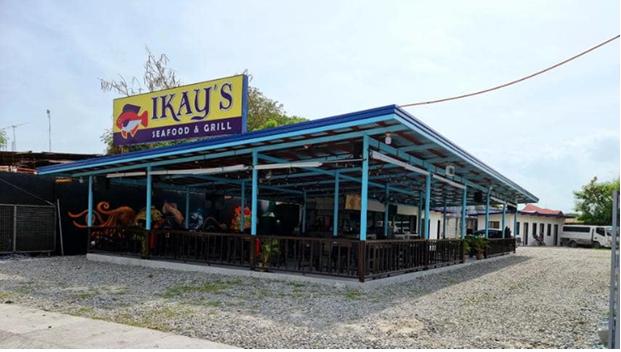

IKAY’S SEAFOOD & GRILL – located along Mc Arthur Highway San Vicente, Bacolor, Pampanga

KAPAMPANGAN ASAN PAKAMALAN (KAP) – located near San Guillermo Parish Church Cabambangan, Bacolor, Pampanga


NUAN CAFÉ – located along Evacuation Road San Vicente, Bacolor, Pampanga


SAMGYEOP BAR & GRILL – located at Banlic, Cabalantian, Bacolor, Pampanga

PARES TO GOTO – located alongside DHVSU Cabambangan, Bacolor, Pampanga

Nyaman na Soy – located along Mc Arthur Highway Sta. Ines, Bacolor, Pampanga

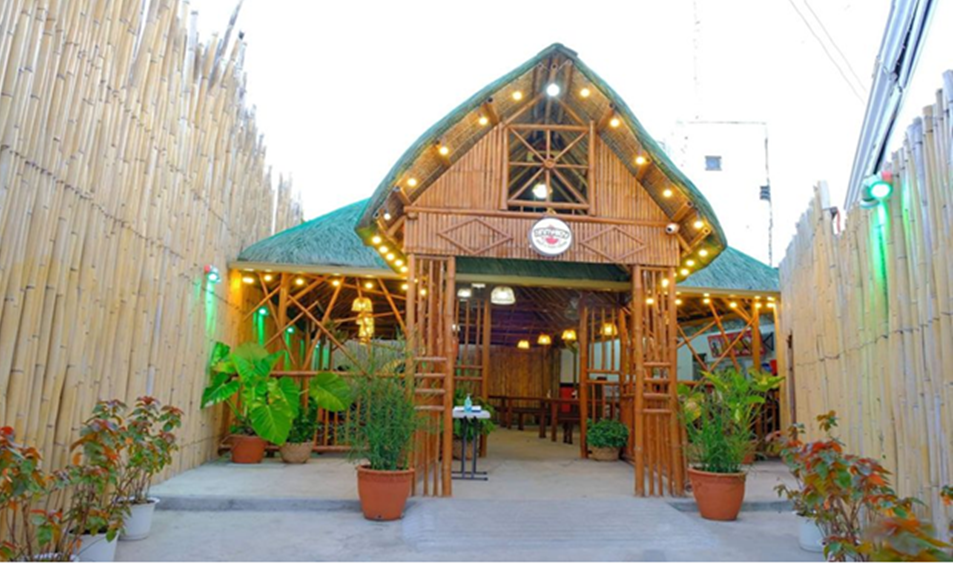
Jinnyboy Foodhouse DHVSU Bacolor Branch – located at Sta. Ines, Bacolor, Pampanga beside Palawan Pawnshop
- TAKE-OUT COUNTERS
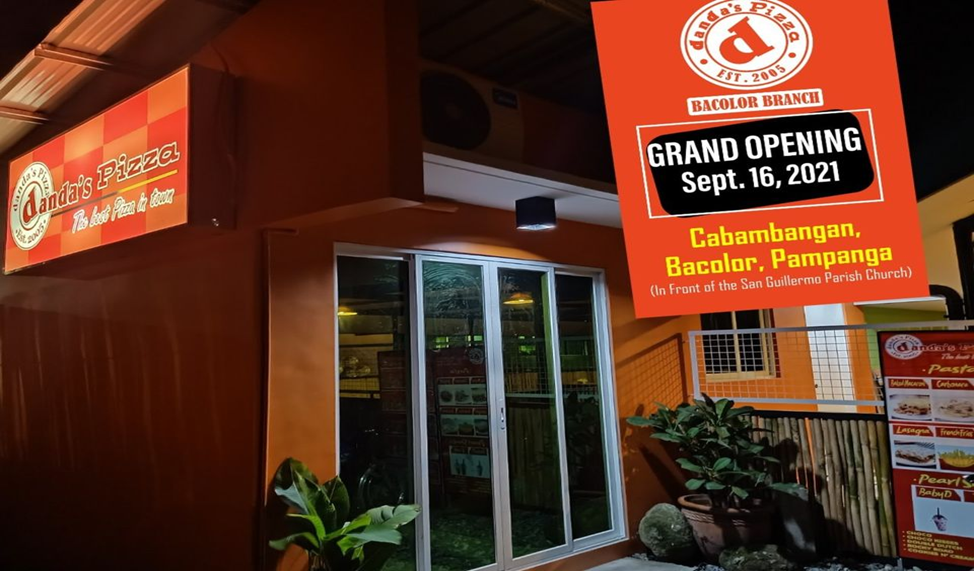
DANDA’s Pizza – located near San Guillermo Parish Churh Cabambangan, Bacolor, Pampanga

MINUTE BURGER – located along Mc Arthur Highway Cabambangan, Bacolor, Pampanga

TASTE FROM THE GREENS – located along Mc Arthur Highway near DHVSU

CHOOKS TO GO - located along Mc Arthur Highway Cabambangan, Bacolor, Pampanga


KRICIA’s Food Hub – located in front of Public Market Cabambangan, Bacolor, Pampanga

Cindy’s Bakeshop – located in front of Bacolor Public Market

GRANDAS SWEETS AND DELICACIES – located near San Guillermo Church Cabambangan, Bacolor, Pampanga
- SHOPPING (GROCERY/SUPERMARKET)
Bacolor Public Market
Poblacion, Bacolor, Pampanga

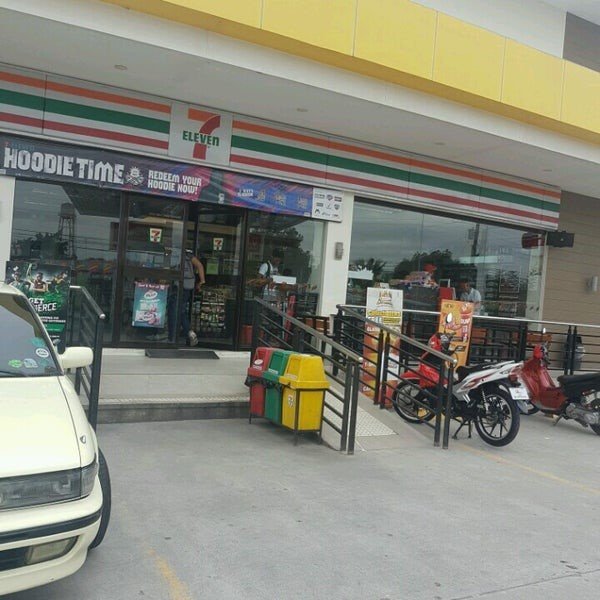
7 Eleven Convenience Store
Sta. Ines, Bacolor, Pampanga
Alfamart Convenience Store
Sta. Ines, Bacolor, Pampanga

Bacolor Supermarket
Sta. Ines, Bacolor, Pampanga

- GASOLINE STATIONS
Shell Gasoline Station
Sta. Ines, Bacolor, Pampanga

Maxi Oil Gasoline Station
(Along McArthur Hi-way)
Cabalantian, Bacolor, Pampanga

Sea Oil Gasoline Station
(Along McArthur Hi-way) San Vicente, Bacolor, Pampanga
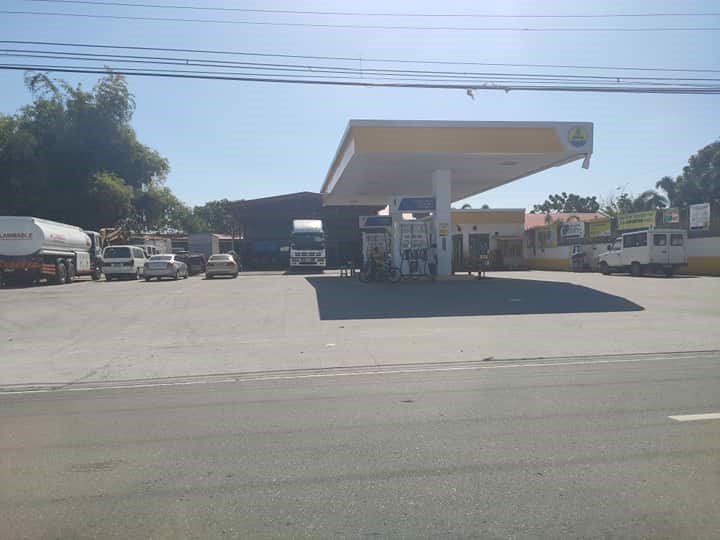
Fil Oil Gasoline Station
(Along McArthur Hi-way)
Cabambangan, Bacolor, Pampanga

- HOTELS
KINGS ROYALE HOTEL
Jose Abad Santos Avenue (JASA Road) Macabacle, Bacolor, Pampanga


Sky Hotel
San Vicente, Bacolor, Pampanga


Destiny Drive Inn Hotel
San Vicente, Bacolor, Pampanga


VALLE VERDE LODGE
Cabetican, Bacolor, Pampanga

- RESORTS
Mula De Leticia - Bed and Breakfast
Zone 2 Cabalantian, Bacolor, Pampanga


Nuan Farm and Resort
Evacuation Road near DHVSU San Vicente, Bacolor, Pampanga


JERLENS FARM RESORT
San Isidro, Bacolor, Pampanga


AGNES VILLAS AND RESORT
Sta. Ines, Bacolor, Pampanga


VILLA BELLA RESORT
Cabetican, Bacolor, Pampanga


DIASPORA FARM RESORT
Sta. Barbara, Bacolor, Pampanga


ANGELES VILLA AND MINI RESORT
San Vicente, Bacolor, Pampanga


VIC’S VILLE PRIVATE RESORT AND VILLAS
San Antonio, Bacolor, Pampanga
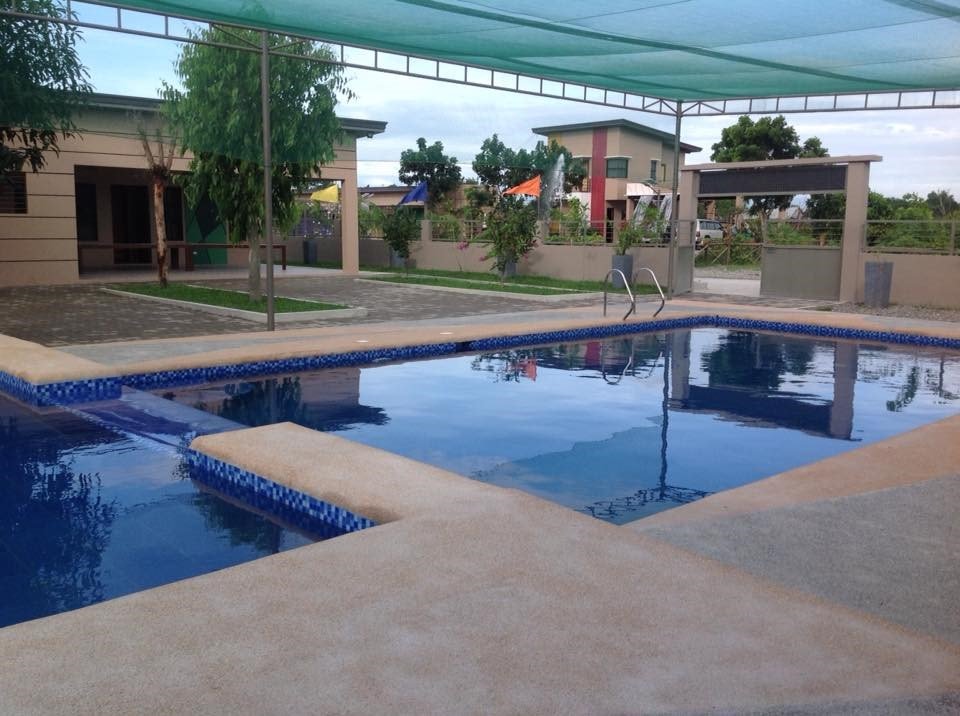

ANDREYANNA’S GARDEN
San Isidro, Bacolor, Pampanga


HOMES AND GARDEN RESORT
Cabalantian, Bacolor, Pampanga


FARM RESORT
San Isidro, Bacolor, Pampanga


ELMARI RESORT
Maliwalu, Bacolor, Pampanga


GREEN MARK RESORT
Concepcion, Bacolor, Pampanga


ORGANIC SUNSET FARM RESORT
San Isidro, Bacolor, Pampanga


- DELICACIES
MAMON TOSTADO

SUMAN BANOS

PUTO SECO

SUMAN BULAGTA

TAMALES


GRANDA’S SWEET DELICACIES


- HOSPITAL/CLINIC
| NAME | CATEGORY | DESCRIPTION |
| Ricardo P. Rodriguez Memorial Hospital | Hospital | Located at Cabambangan, Bacolor, Pampanga |
| Jesus S. Datu Memorial Hospital | Hospital | Located at San Vicente, Bacolor, Pampanga |
| St. Clare Psychiatric Clinic | Clinic | Located at San Vicente, Bacolor, Pampanga |
- OTHER IMPORTANT KEYS
PROMINENT SONS AND DAUGHTERS OF BACOLOR WHICH INCLUDE AMONG OTHERS:
1) Juan Crisostomo “Crissot” C. Soto, a poet, dramatist, journalist and newspaperman. He was also known as the “Father of Pampango Literature.”;
2) Mariano Proceso Pabalan Byron, wrote the first vernacular zarzuela “ING MANAGPI” (The Spotted Dog) and
3)Felix Napao Galura the Father of Capampangan Grammar, who translated many prayers and other Spanish writings in Kapampangan.
4) Francisco Tongio Liongson, Doctor and Statesman, was a native of Pampanga's ancient capital, Villa de Bacolor, who became Pampanga's governor and its first senator.
5) Pablo "Ambo" David Angeles, (August 17, 1889 - May 16, 1965) was a Filipino magistrate and statesman. During his career, he became a Judge, a member of the Philippine House of Representatives, Governor of Pampanga and senator of the Philippines.
6) Ceferino Joven, first civil governor of the first civil government in the Philippines.
7) Sor Asuncion Ventura – first Filipino foundress of an orphanage, the Asilo de San Vicente de Paulo in 1885.
8) Bachiller Miguel Jeronimo de Morales – first Filipino priest, 1654.
9) Dr. Jacobo Fajardo, first Filipino Director of the Bureau of Health.
FAMOUS PEOPLE
Sec. Jose De Jesus – former Secretary of the Department of Public Works and Highways (DPWH) and the Dept. of Transportation and Communication (DOTC), Cabalantian
Atty. Estelito Mendoza – Lawyer; former Solicitor General, former Governor of Pampanga, Sta. Barbara
Ms. Celia C. Yangco – Former USEC, Department of Social Welfare & Development, Talba
Ex-Mayor Emerito de Jesus (deceased) – former Under Sec. of National Defense, San Vicente
PRODUCTS/DELICACIES
Marietta Vitug “Nerimar’s” - (Turones de Casoy, Sansrival, Uraro and other’s) Bulaon Resettlement, City of San Fernando (San Vicente, Bacolor)
Lolita O. Hizon – “Pampanga’s Best” (Tocino, Longanisa, Ham and other Processed meat products) Dolores, San Fernando, Pampanga (Cabalantian)
Apung Doring Miranda – ( Mamon Tostado, Puto Seco, Peanuts) Zone 6, Cabalantian, Bacolor,Pampanga
Apung Luring Kabigting – (Tamales) Zone 5, Cabalantian, Bacolor, Pampanga
Julie - (Tamales) Zone 5, Cabalantian, Bacolor, Pampanga
CLIMATE AND WEATHER
Summer and Rainy Seasons
- Tourist Arrivals
Tourist Arrivals Average Tourist Guest San Guillermo Parish Church, Nuan Farm and Resort and Diaspora Farm Resort 2019:| | San Guillermo Parish Church | Nuan Farm & Resort | Diaspora Farm & Resort
|
| | Local | Foreign | Accomodation/Day Tour | MICE/Function Hall | Accomodation/Day Tour | MICE Function Hall |
| January | 565 | 27 | 592 / 6 | 2,080 | 61 | |
| February | 457 | 35 | 827 / 5 | 2,080 | 132 | |
| March | 1,250 | 52 | 1,194 / 14 | 2,030 | 70 | |
| April | 5,662 | 44 | 1,845 / 26 | 1,400 | 114 | |
| May | 236 | 15 | 2,058 / 9 | 2,250 | 207 | |
| June | 135 | 45 | 1,072/7 | 880 | 62 | |
| July | 161 | 10 | 723 / 6 | 350 | 61 | |
| August | 125 | 1 | 788 / 12 | 1,160 | 66 | |
| September | 108 | 0 | 454 / 4 | 1,760 | 73 | |
| October | 125 | 0 | 1,353 | 2,190 | 75 | |
| November | 3,380 | 57 | 1,450 | 3,630 | 63 | 75 |
| December | 8,892 | 0 | 2685/25 | 8,300 | 43 | 19 |
| TOTAL | 21,096 | 286 | 15,041/114 | 28,110 | 1,027 | 94 |
Average Tourist Guest San Guillermo Parish Church, Nuan Farm and Resort and Diaspora Farm Resort 2020:| | San Guillermo Parish Church | Nuan Farm & Resort | Diaspora Farm & Resort
|
| | Local | Foreign | Accomodation/Day Tour | MICE/Function Hall | Accomodation/
Day Tour | MICE Function Hall |
| January | 6,650 | 15 | 2,044 | 6,310 | 37 | |
| February | 11,241 | 23 | | 1,030 | | |
| March | | | | 600 | | |
| April | | | | | | |
| May | | | | | | |
| June | | | | | | |
| July | | | 68 | 100 | | |
| August | | | 205 | 300 | | |
| September | | | 319 | 180 | | |
| October | | | 666 | 300 | | |
| November | | | 919 | 630 | | |
| December | | | 2,260 | 1,495 | | |
| TOTAL | 17,891 | 38 | 4,437 | 3,005 | 37 | |
Average Tourist Guest San Guillermo Parish Church, Nuan Farm and Resort and Diaspora Farm Resort 2021:| | San Guillermo Parish Church | Nuan Farm & Resort | Diaspora Farm & Resort
|
| | Local | Foreign | Accomodation/Day Tour | MICE/Function Hall | Accomodation/
Day Tour | MICE Function Hall |
| January | 100 | | 1,488 | 1,700 | | |
| February | 96 | | 1,594 | 1,500 | | |
| March | 123 | | 950 | 1,130 | | |
| April | 186 | | 334 | 260 | | |
| May | 201 | | 924 | 730 | | |
| June | 123 | | 1,744 | 1,400 | | |
| July | 252 | | 2,187 | 1,145 | | |
| August | | | 786 | 567 | | |
| September | | | 944 | 1,530 | | |
| October | | | | | | |
| November | 29 | | | | | |
| December | | | | | | |
| TOTAL | 1,110 | | 10,951 | 9,962 | | |
Average Tourist Guest San Guillermo Parish Church, Nuan Farm and Resort and Diaspora Farm Resort 2022:| | San Guillermo Parish Church | Nuan Farm & Resort | Diaspora Farm & Resort
|
| | Local | Foreign | Accomodation/Day Tour | MICE/Function Hall | Accomodation/
Day Tour | MICE Function Hall |
| January | 35 | | | | | |
| February | 102 | | | | | |
| March | 57 | | | | | |
| April | | | | | | |
| May | | | | | | |
| June | | | | | | |
| July | | | | | | |
| August | | | | | | |
| September | | | | | | |
| October | | | | | | |
| November | | | | | | |
| December | | | | | | |
| TOTAL | | | | | | |
- Inventory of Cultural Property
